

INFORMED CHOICES. PERSONALISED CARE.
Liver Transplant
in India.
Understand your options for liver transplant. Explore hospitals, connect with specialists, and plan your next step with Medginnie.
Personal guidance, from your first conversation.- Indicative cost
- Personalised estimate
- Hospital stay
- Discuss with your specialist
- Recovery time
- Based on your care plan
- Hospital options
- Ask our care team
Treatment overview
What is a Liver Transplant?
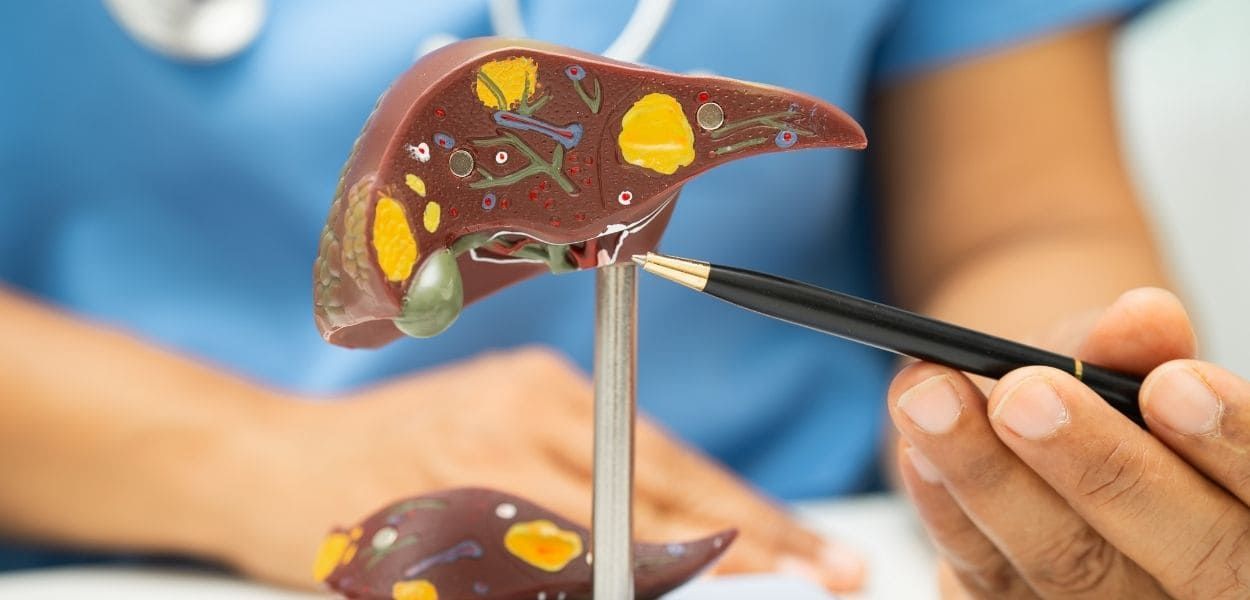
A liver transplant is a surgical procedure that involves replacing a diseased or damaged liver with a healthy liver from a donor. The donor liver can come from a deceased donor or a living donor who donates a portion of their liver.
Why is a Liver Transplant Needed?
Liver transplants are usually recommended when the liver is severely damaged and no longer able to function properly. Common reasons include:
- Cirrhosis (scarring of the liver due to chronic liver diseases such as hepatitis B, hepatitis C, or alcoholism)
- Liver cancer
- Acute liver failure (sudden and severe liver damage)
- Genetic liver diseases (such as Wilson’s disease or hemochromatosis)
- Biliary atresia (a condition mostly seen in infants where bile ducts are blocked)
Types of Liver Transplants
- Deceased
Donor Liver Transplant
The entire liver or a portion is transplanted from a person who has recently passed away and whose organs are donated. - Living
Donor Liver Transplant
A portion of a healthy person's liver (usually a close relative or friend) is transplanted. The liver regenerates in both donor and recipient over time.
The Liver Transplant Procedure
Pre-Transplant Evaluation
Patients undergo thorough medical tests to assess liver function, overall health, and suitability for surgery. This includes blood tests, imaging, heart and lung function tests, and psychological evaluation.
Finding a Donor
The patient is placed on a transplant waiting list based on the severity of liver disease (using a scoring system called MELD or PELD).
Surgery
The liver transplant surgery usually lasts 6 to 12 hours:
- The diseased liver is removed.
- The donor liver or liver segment is placed in the body.
- Blood vessels and bile ducts are connected.
Risks and Complications
Like all major surgeries, liver transplants carry some risks:
- Rejection: The immune system may attack the new liver. Immunosuppressant drugs are used to prevent this.
- Infections: Due to immune suppression after transplant.
- Bleeding or blood clots
- Bile duct complications
- Side effects of medications
Recovery and Life After Transplant
- Hospital stay: Usually 2-3 weeks.
- Medications: Lifelong immunosuppressive drugs to prevent rejection.
- Follow-ups: Regular check-ups, blood tests, and imaging.
- Lifestyle: Healthy diet, avoiding alcohol, exercise, and avoiding infections.
Success Rates and Outcomes
- Liver transplant success rates are very good, with 1-year survival rates above 85-90% in many centers.
- Quality of life typically improves dramatically after recovery.
- Long-term survival depends on adherence to medications and lifestyle changes.
How to Prepare for a Liver Transplant
- Maintain overall health with a balanced diet and avoid alcohol.
- Follow doctor's advice on medications.
- Mental and emotional preparation — consider counseling or support groups.
- Organize logistics for the hospital stay and post-surgery care.
Who Can Donate a Liver?
- Living donors must be healthy adults, typically relatives or close friends.
- Deceased donor organs come from individuals who have opted to donate organs after death.
Cost and Accessibility
- Liver transplants can be expensive, involving surgery, hospital stay, medications, and follow-ups.
- Many countries offer support programs or insurance coverage.
- Medical tourism for liver transplants is growing, with countries like India, Turkey, and Thailand providing high-quality affordable care.
Conclusion
A liver transplant is a complex but life-saving procedure for people with severe liver disease. Advances in surgical techniques and immunosuppressive therapy have significantly improved outcomes. If you or a loved one is facing liver failure, consulting with a transplant specialist is crucial to explore this option.
Your care. Your personalised estimate.
Costs depend on your treatment plan, hospital, specialist, and care needs. Share your details to request an estimate for liver transplant.
Request a cost estimateSpecialists for liver transplant

YOUR NEXT STEP, TOGETHER
Let’s talk about
your care.
Share a few details about your needs. Our team will help you explore options for liver transplant and request a personalised treatment estimate.
- Hospital and specialist guidance
- Help understanding treatment costs
- A dedicated point of contact
Request your care plan
Tell us a little about yourself. We’ll help with the next step.