
ADVANCED CARE, EXPLAINED
CAR T-Cell Therapy
Understand the approach, explore hospital expertise, and request personal guidance on car t-cell therapy in India.
A specialist’s assessment comes first.
About CAR T-Cell Therapy
Advanced Immunotherapy for Certain Blood Cancers
The revolutionary cancer treatment called CAR T‑cell uses a patient’s immune system to analyze and destroy cancer cells. Unlike radiation therapy and chemotherapy CAR T‑cell therapy fixes the patient’s T cells, a type of blood cell so they can find and kill cancer cells.
This personalized treatment has changed how some blood cancers are handled. It works for patients whose disease has gotten worse. Who did not respond to regular treatments.
At MedWorld we link patients with top CAR T‑cell therapy centers and skilled haematology‑oncology specialists, in India. We provide support from the first consultation to care after treatment.
What is CAR T-Cell Therapy?
CAR T-cell therapy stands for Chimeric Antigen Receptor T-cell Therapy. It is a type of immunotherapy that boosts the body's natural immune response against cancer.
During this treatment:
- T cells are collected from the patient's blood.
- These cells are hereditarily adapted in a specialized laboratory to express a chimeric antigen receptor (CAR) that recognizes cancer cells.
- The modified cells are multiplied into millions.
- They are then suffused back into the patient's bloodstream, where they seek out and destroy cancer cells.
Since the therapy uses the patient's own immune cells, it is considered a custom-made treatment.
How CAR T-Cell Therapy Works
Collection of T Cells
- Leukapheresis is a procedure where the blood is collected anad during this course T cells are separated and then collected.
Genetic Engineering
- Afte the collection of T cells, they are modified in the laboratory to develop chimeric antigen receptors (CARs) that observe specific protein available in the cancer cells.
Cell Expansion
- The concocted CAR T cells are multiplied until millions of cells are available for treatment.
Preparation
- Prior to getting the CAR T cells, a patient generally takes the chemotherapy session so that they can prepare their immune system.
CAR T-Cell Infusion
- The engineered cells are infused back into the bloodstream.
Cancer Cell Destruction
- Once inside the body, the CAR T cells identify, attack, and destroy cancer cells while continuing to multiply and remain active for a period of time.
Cancers Treated with CAR T-Cell Therapy
This therapy is approved or may be painstaking for selected patients with certain blood cancers, depending on clinical guidelines and eligibility.
It may be used in:
- B-cell Acute Lymphoblastic Leukemia (B-ALL)
- Diffuse Large B-Cell Lymphoma (DLBCL)
- Primary Mediastinal Large B-Cell Lymphoma
- Follicular Lymphoma
- Mantle Cell Lymphoma
- Chronic Lymphocytic Leukemia (in selected cases and where approved)
- Multiple Myeloma
- Other relapsed or refractory B-cell malignancies, depending on clinical evaluation and available therapies
Clinical trials are also exploring CAR T-cell therapy for additional blood cancers and some solid tumors.
Who May Be Eligible for CAR T-Cell Therapy?
Your healthcare team will determine if CAR T-cell therapy is appropriate based on several factors, including:
- Type of cancer
- Stage and extent of disease
- Prior treatments received
- Response to earlier therapies
- Overall health and organ function
- Blood test results
- Performance status
Not every patient with cancer is a candidate for CAR T-cell therapy, and eligibility is determined after a comprehensive medical evaluation.
Benefits of CAR T-Cell Therapy
Personalized Treatment
CAR T-cell therapy uses the patient's own immune cells, making it a highly individualized approach to cancer treatment.
Targeted Cancer Cell Destruction
The modified T cells are designed to recognize specific proteins on cancer cells, allowing for targeted immune activity.
Effective for Certain Difficult-to-Treat Cancers
CAR T-cell therapy has shown significant benefit in many patients with relapsed or refractory blood cancers who have not responded to conventional treatments.
Long-Lasting Immune Response
Once infused, CAR T cells may continue to recognize and attack cancer cells over time, although persistence varies among individuals.
Potential for Durable Remission
Some eligible patients achieve long-term remission following CAR T-cell therapy, though outcomes differ based on cancer type and individual factors.
Preparing for CAR T-Cell Therapy
Before treatment, patients typically undergo:
- Comprehensive medical evaluation
- Blood investigations
- Bone marrow examination (if required)
- PET-CT or CT scans
- Cardiac assessment
- Lung function tests
- Infection screening
- Review of previous cancer treatments
The multidisciplinary team develops a personalized treatment plan before proceeding.
What to Expect During Treatment
Step 1: Leukapheresis
Blood is collected, and T cells are separated using a specialized machine. The remaining blood components are returned to the body.
Step 2: Cell Manufacturing
The collected T cells are sent to a specialized laboratory, where they are genetically modified and expanded. This process usually takes several weeks.
Step 3: Lymphodepleting Chemotherapy
A short course of chemotherapy is commonly given before CAR T-cell infusion to help the engineered cells function effectively.
Step 4: CAR T-Cell Infusion
The modified cells are infused into the bloodstream through an intravenous (IV) line, similar to a blood transfusion.
Step 5: Close Monitoring
Patients are monitored closely for several days or weeks after infusion because side effects can occur early and may require prompt treatment.
Recovery After CAR T-Cell Therapy
Recovery varies from patient to patient.
During follow-up, the healthcare team will monitor:
- Blood cell counts
- Response to treatment
- Immune system recovery
- Signs of infection
- Possible treatment-related side effects
Regular follow-up appointments and laboratory tests are essential after therapy.
Possible Side Effects
Like any advanced cancer treatment, CAR T-cell therapy may cause side effects. The healthcare team closely monitors patients and provides prompt management when needed.
Potential side effects include:
- Cytokine Release Syndrome (CRS)
- Neurological side effects (immune effector cell-associated neurotoxicity syndrome, or ICANS)
- Fever
- Fatigue
- Low blood pressure
- Low blood cell counts
- Increased risk of infections
- Nausea
- Headache
The risk and severity of side effects vary between individuals, and specialized treatment centers are equipped to manage these complications.
Hospitals offering this technology
Explore facilities and connect with a care team for more information.
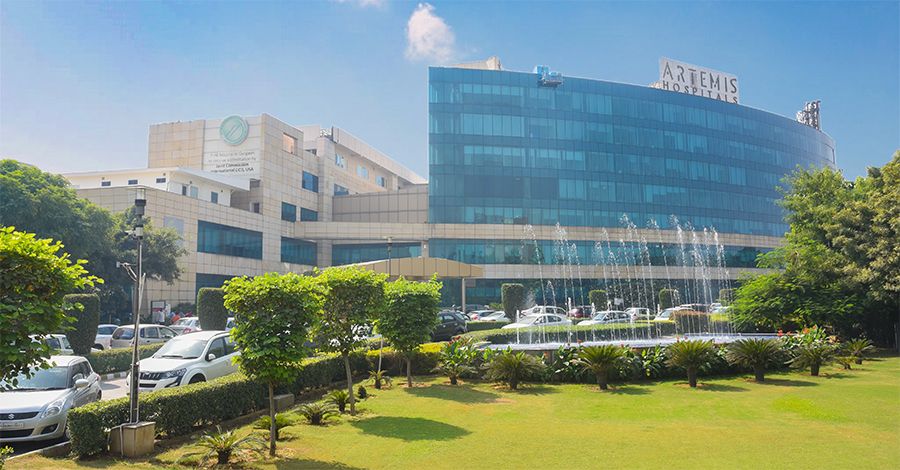
Artemis Hospital Gurgaon
Delhi
Explore hospital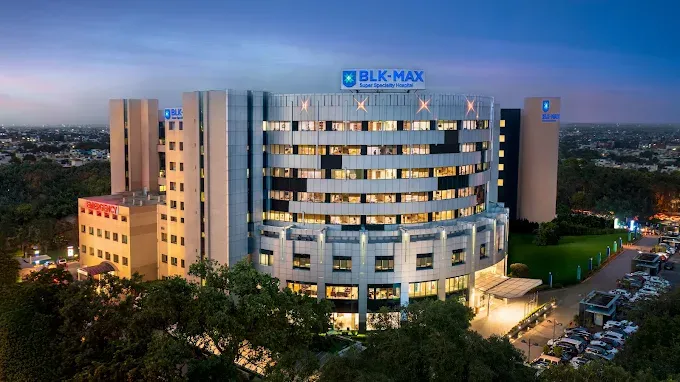
BLK Super Specialty Hospital
New Delhi
Explore hospital
Fortis Hospital Gurgaon
Gurgaon
Explore hospital
Indraprastha Apollo Hospital
Delhi
Explore hospital
Max Super Speciality Hospital
New Delhi
Explore hospital
Medanta - The Medicity
Gurugram
Explore hospital
YOUR NEXT STEP, TOGETHER
Better information.
More confidence.
Ask our team about car t-cell therapy. We can help you explore hospital options and request a specialist review of your case.
- Guidance on hospitals and specialists
- A personalised cost enquiry
- Support with planning your visit
Talk to our care team
Start with a few details about your needs.