
Glioblastoma Cancer Treatment
Ankit · 2026-10-21
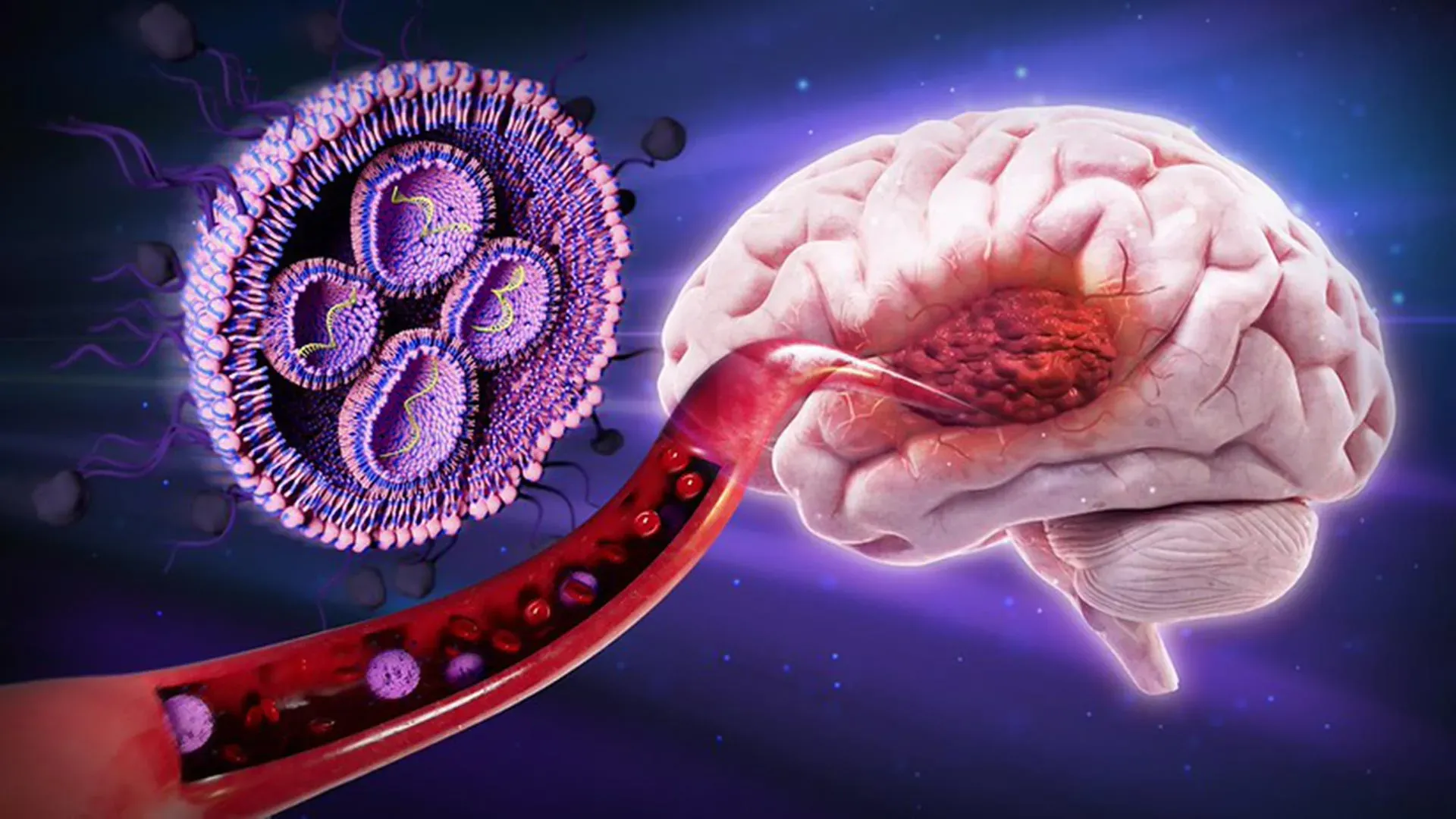
Understand glioblastoma symptoms, diagnosis and treatment options, including surgery, radiation and chemotherapy. Read this patient guide
A glioblastoma diagnosis can leave patients and families with difficult questions about treatment and what comes next. Understanding the available options can help you take part in decisions with your medical team.
Glioblastoma treatment commonly combines surgery, radiation therapy and chemotherapy. Although there is currently no established cure, treatment can slow tumour growth, relieve symptoms and help people live longer. Care also focuses on maintaining independence, comfort and quality of life.
What Is Glioblastoma
Glioblastoma, also called GBM is a growing cancer that begins in the brain. It’s classified as a grade 4 glioma, which means it spreads quickly and takes over brain tissue. The term "grade 4" refers to how the tumor behaves. It’s not the same as stage 4 cancer in parts of the body.
Now glioblastoma is labeled as IDH-wildtype. That’s different, from a grade 4 astrocytoma that has an IDH mutation. Those are two diagnoses. So getting the tissue test done correctly matters a lot.
Symptoms That Need Medical Attention
Symptoms depend on the tumour’s location and may include:
New or worsening headaches.
Seizures.
Nausea or vomiting.
Weakness, numbness or difficulty with balance.
Changes in speech, vision, memory or behaviour.
These symptoms can have other causes. Persistent or worsening symptoms need medical assessment. A first seizure or a sudden, extremely severe headache requires emergency care.
How Is Glioblastoma Diagnosed
Doctors usually assess symptoms, perform a neurological examination and arrange brain imaging. An MRI helps show the tumour’s location, size and relationship to surrounding structures.
A tissue sample, obtained during surgery or a biopsy, usually confirms the diagnosis. Molecular testing adds information that can guide treatment:
- IDH testing helps identify the correct tumour type.
- MGMT promoter methylation testing helps estimate the likely benefit from temozolomide chemotherapy.
- Additional tests may identify uncommon changes relevant to targeted medicines or clinical trials.
An MRI alone cannot provide all the information needed for an individual treatment plan.
Main Glioblastoma Treatment Options
Treatment depends on where the tumour's on the molecular results on how healthy the patient feels overall and, on what the patient likes. A team may consist of a neurosurgeon, a neuro‑oncologist, a radiation oncologist and people who help with rehabilitation.
Surgery
When possible treatment starts with safe resection. Treatment means removing much tumour as we can while keeping brain functions such, as speech and movement safe. Surgery can ease pressure. Give tissue for diagnosis. Because glioblastoma cells spread into brain tissue surgery usually cannot take out every cancer cell. If removal would be too risky a biopsy may be recommended instead.
Brain mapping, fluorescence guidance or an awake craniotomy may help selected patients. The surgical team decides which techniques suit the tumour’s location.
Radiation Therapy
Radiation uses planned beams to treat tumour cells that remain after surgery. Radiation can also be used when tumour removal is not possible.
A common course for adults involves treatment on weekdays over about six weeks usually alongside temozolomide. The schedule is individualised. Older adults or patients in health may need a less intensive approach.
Radiation planning aims to limit exposure to brain tissue. Possible side effects include tiredness, scalp hair loss and effects, on memory or thinking.
Chemotherapy With Temozolomide
Temozolomide is an oral chemotherapy medicine commonly used during radiation and then in further treatment cycles. The initial maintenance course often consists of six cycles, with decisions tailored to the patient.
MGMT results help inform discussions about the expected benefit of chemotherapy. They are considered alongside the patient’s overall condition.
Side effects can include nausea, fatigue and reduced blood cell counts. The team monitors treatment and may adjust it if side effects become significant.
Tumour Treating Fields
Tumour treating fields, or TTFields, use a wearable device connected to adhesive pads on the scalp. Alternating electric fields interfere with tumour cell division.
For selected adults with newly diagnosed glioblastoma, TTFields may be added to maintenance chemotherapy after chemoradiation. Treatment requires wearing the device for much of the day, and scalp irritation can occur.
Patients considering this option in India should ask the treating centre about eligibility, local availability, daily use and total cost.
Treatment When Glioblastoma Returns
Glioblastoma frequently returns despite initial treatment. Further care is personalised, taking account of previous treatment, the tumour’s location, symptoms and the patient’s priorities.
Options may include repeat surgery, carefully selected repeat radiation, chemotherapy or bevacizumab. A clinical trial may also be appropriate. Each option has limitations, and the team should explain the expected benefit and burden of treatment.
Researchers are studying vaccines, immunotherapies and new medicines. These approaches should be discussed in the context of their evidence and trial eligibility; they are not established cures for glioblastoma.
Supportive Care and Rehabilitation
Supportive care is part of treatment from the start and I see how it helps patients right away. Supportive care may include medicines for brain swelling, treatment, for seizures when they happen and help with nausea or fatigue. Physiotherapy, occupational therapy and speech therapy can help with activities so that patients feel more independent. Counselling and caregiver support can help families cope with changing needs while palliative care can be given together with cancer treatment to address symptoms and improve quality of life.
Planning Glioblastoma Treatment in India
When comparing hospitals, ask about the full pathway of care: specialist review, surgery, pathology, molecular testing, radiation, chemotherapy and rehabilitation.
Useful questions include:
- Will a multidisciplinary brain tumour team review the case?
- What is the goal of each recommended treatment?
- What are the expected benefits and risks for this patient?
- Which services and medicines are included in the written estimate?
- How will follow-up and ongoing treatment be coordinated?
For international patients, clarify the expected stay, caregiver requirements and follow-up arrangements before booking travel. Keep MRI images, pathology reports, molecular test results and previous treatment records ready for review.
Frequently Asked Questions
Can glioblastoma be cured
There is currently no established cure. Treatment aims to control the tumour, manage symptoms and extend life. Outcomes vary, so the treating specialist is best placed to discuss an individual prognosis.
Can glioblastoma be treated without surgery
Yes. When tumour removal is unsafe or unsuitable, doctors may recommend biopsy followed by radiation and chemotherapy, depending on the patient’s health and test results.
Is immunotherapy a standard treatment
Immunotherapy is being studied for glioblastoma and is not a routine replacement for standard initial treatment. Ask the specialist whether a suitable clinical trial is available.
Considering a specialist opinion in India? Contact Medworld India to discuss consultation arrangements. Treatment recommendations and estimates should follow review by the treating hospital’s clinical team.
Planning treatment in India?
Get a free quote